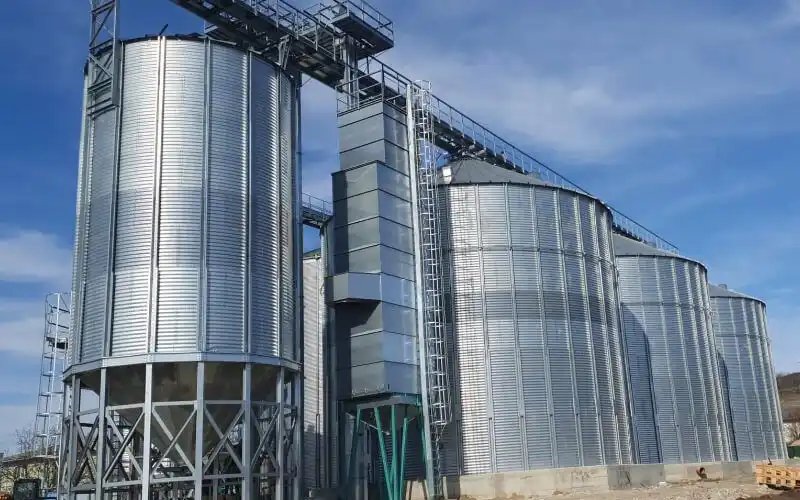
When we drive past those massive steel towers on the highway, it’s super easy to write them off as just giant metal buckets holding wheat or corn until payday. But let's be real—that assumption totally ignores the wild engineering happening right under our noses. Whether we are looking at massive farm operations or checking out Grain Storage Silos in Noida, these setups are far from passive. They are actually aggressive, tech-heavy ecosystems working overtime to save millions in harvest money from mold, bugs, and crazy weather. The real magic isn't the size. It is the smart, automated machinery humming behind that steel wall to keep the crop fresh and breathing.
The true muscle of a modern setup hides in how it controls the climate. Once we dump harvested grain inside, we aren't just storing dead weight—that stuff is basically alive, sweating out moisture and heat. If we just leave it alone, we are begging for rot and pests to take over. To fight back, these structures lean on some heavy-duty active machinery:
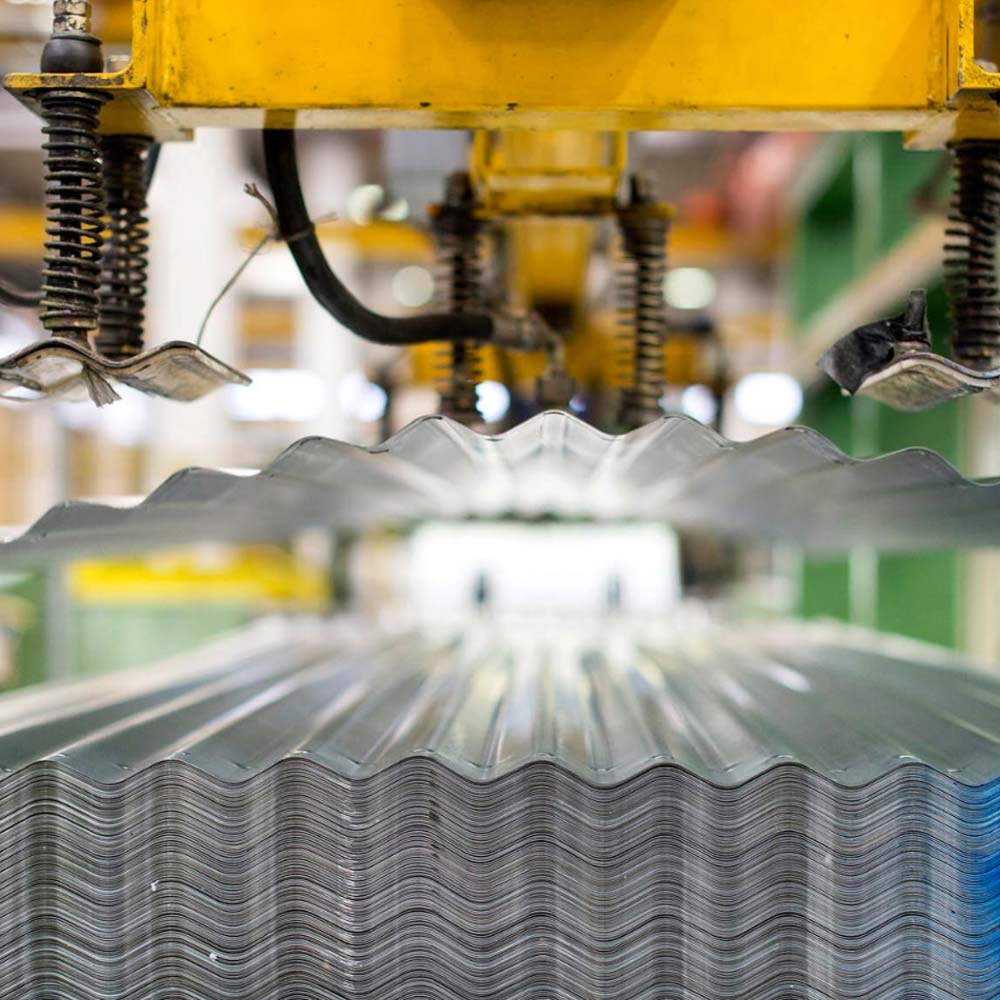
Sure, the inside tech is cool, but the outside metal actually has to survive some brutal conditions. Picking the right building material makes or breaks the whole operation. That is exactly why going with a Galvanized Grain Storage Silo in Noida provided by Streamindus Engineering Services Pvt. Ltd. or a similar industrial zone makes so much sense—we need something that laughs off harsh weather. This crazy structural power doesn't happen by accident; it comes from a few very deliberate design choices:
We also can't forget the crazy automation that lets us move all this product without destroying it. Huge sweep augers spin around the bottom to pull the crop into a central drop zone, while massive bucket elevators do the heavy lifting outside. Because we use these built-in mechanical arms, we can shift thousands of bushels every single hour without breaking our backs. It also means the grain spends way less time exposed to the open air.
When we look at the big picture, these giant metal structures act as heavily armed vaults for our food supply. They close the gap between pulling crops from the dirt and actually getting them to the market in one piece. By mixing tough-as-nails metallurgy with smart sensors and conveyor systems, we aren't just holding grain. We are actively defending the entire food chain.