Welcome To Pensla Impex

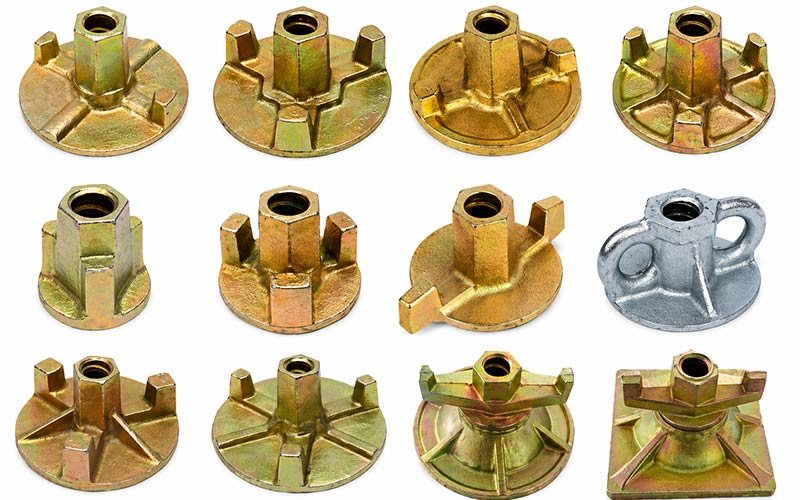
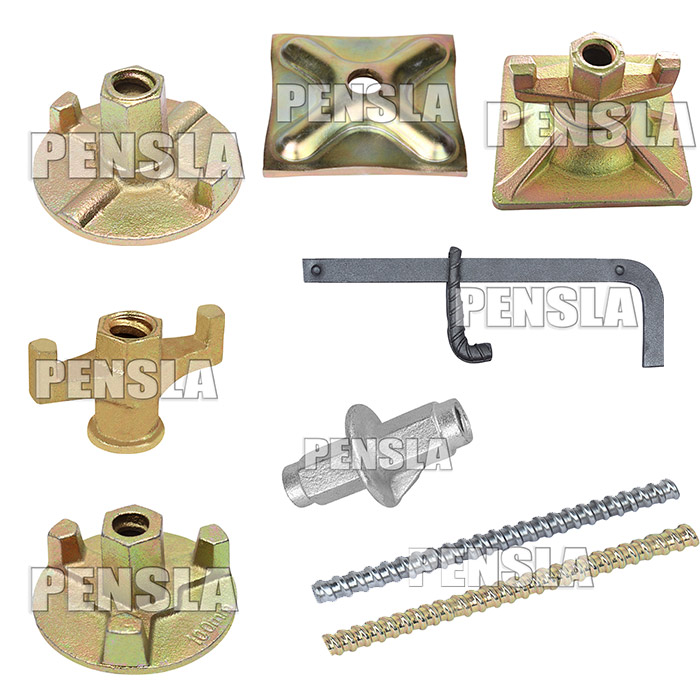
Pouring concrete is heavy, volatile, and unforgiving work. When we set up massive formwork structures for commercial walls, bridge piers, or deep columns, the sheer hydrostatic pressure pushing outward against those panels is absolutely immense. Everything relies heavily on the tension system holding those forms together. If the anchor nuts locking the tie rods in place aren't completely up to the task, the entire pour is at risk of a disastrous blowout. That is exactly why relying on generic, unverified hardware from unknown sources is a gamble we just can't take. Sourcing high-grade components directly from reputable Anchor Nuts Manufacturers in Punjab like Pensla Impex is the absolute best way to ensure our formwork holds dead-tight when the heavy wet concrete actually starts flowing.
So, how do we know if our current formwork hardware is actually built for these high-stress load capacities? It usually comes down to spotting the obvious physical red flags before a catastrophic failure happens in the middle of a job. We always watch out for a few specific warning signs on the ground:
The real secret to a bulletproof, fail-safe formwork system lies in the raw metallurgy and the precision of the casting process. High-stress construction environments demand ductile iron or heavily forged steel that can take a serious daily beating without instantly snapping. When we lock down a heavy vertical wall form, the nut has to distribute thousands of pounds of tension evenly across the plate and the waler. A cheap, brittle cast will simply crack under that kind of extreme localized stress, sending wet concrete everywhere. To completely avoid these expensive site nightmares, we always recommend partnering with specialized Tie Rod Nut Manufacturers in Punjab. Working with regional experts means we get direct access to heavily tested, standardized parts that actually match the exact load specifications our engineering plans demand.
Upgrading our site inventory isn't just about blindly buying the most expensive option on the market; it is about physically verifying the engineering specs. Before we authorize a bulk order for any new formwork accessories, we run through a strict checklist to guarantee long-term site safety:
At the end of the day, cutting corners on basic formwork accessories is a massive financial and physical liability. A blowout during a massive concrete pour doesn't just cost us thousands of dollars in wasted raw material and grueling cleanup labor; it puts the entire crew in immediate danger. By investing heavily in premium, precisely engineered anchor nuts, we protect our project profit margins, keep our job sites running smoothly and ensure that every single concrete wall we pour comes out perfectly straight and structurally sound.
Stay informed with our latest news, helpful guides, and exciting stories. We created this space to connect with you and share valuable ideas that matter. Take a look at our newest articles below to find easy-to-read tips, expert advice, and the latest trends. Grab a cup of coffee, start reading, and stay one step ahead with us!
When we talk about scaffolding safety on a busy build, most people immediately think about safety harnesses, sturdy toe boards, or thick steel guardrails. But if we're being honest, the real back...
View More
Getting the main scaffolding frame right is a big deal, but let's be honest—it’s only part of the job. The real safety and stability of a temporary structure hang on the tiny components holdi...
View More
Walk onto any major commercial job site a decade ago, and you’d see the exact same thing: heavy, cumbersome steel pipes dominating the skyline. It was the absolute standard. But things are changing ...
View More